Business for Sale Network – Buy & Sell
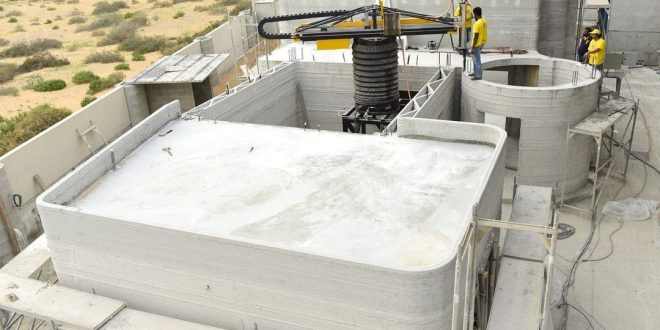
3D printing has made a serious move from novelty to functional tech, especially in the world of construction. Around the world, builders are experimenting with this method to cut costs, save time, and explore new architectural forms. In Thailand, interest is growing in 3d concrete printing but it’s the early adopters globally who are laying the groundwork.
Start Simple, Then Scale
One of the biggest lessons is to avoid going too big too fast. The most successful teams started with straightforward builds like single room units, toilets, or outdoor storage structures. These helped teams test printers, materials, and workflows without wasting time or blowing the budget.
Trying to print a multilevel building before perfecting the basics usually leads to delays, structural problems, or budget overruns. By keeping it simple, early adopters identified problems quickly and fixed them before scaling up.
The Mix Is Everything
Printers get most of the attention, but those who’ve been through the process know the real magic is in the concrete mix. A slightly off recipe can cause slumping, clogging, or poor bonding. Successful builds often involved weeks of local testing to get a formula that worked with nearby materials and weather conditions.
Thailand’s mix challenges are unique. The heat speeds up curing, and sudden downpours can ruin freshly laid layers. The pioneers who made it work tweaked the additives, controlled humidity onsite, and did test runs every day before major pours.
Local Materials Save Headaches
Early projects that relied on imported concrete blends or specialized additives often ran into delays or cost issues. Teams that adapted their recipes using local sand, cement, or fibers had fewer logistical headaches. This also helped reduce the environmental impact and made the process more replicable in other regions.
Don’t Overlook the Crew
Even with automation, these projects still need skilled people. Pioneers found that training local workers on printer setup, maintenance, and concrete handling paid off fast. The teams that tried to rely only on outside experts ran into delays, miscommunication, and higher costs.
Teams that involved local labor from day one built smoother, faster, and learned more in the process. In Thailand, this could be a major advantage a trained local workforce would give the tech staying power.
Infrastructure Still Matters
Some early adopters underestimated the basic needs around a build site. Power supply, water access, site drainage, and space to move the printer all turned out to be more important than expected. When these weren’t planned properly, even small jobs ran into big problems.
Planning for the whole environment, not just the print itself, made a big difference. Printed buildings are only part of the job access roads, storage areas, and waste management all play a role too.
What Thailand Can Learn
Thailand is in a strong position to apply these lessons early. With existing research programs, a skilled construction workforce, and a growing need for fast, affordable housing, it makes sense to adapt what’s already working elsewhere.
The takeaway from the early adopters is clear. Start small, work with local resources, and focus on learning at every step. The printed structures might grab the spotlight, but it’s the problem solving behind the scenes that really drives progress.